Understanding ISPM-15 Packaging Standards
- SMSPL
- Jan 26
- 4 min read

When shipping goods internationally, especially those involving wooden packaging materials, compliance with ISPM-15 packaging standards is essential. These standards help prevent the spread of pests and diseases through wood packaging used in global trade. I will walk you through what ISPM-15 is, why it matters, and how to ensure your shipments meet these requirements.
What Are ISPM-15 Packaging Standards?
ISPM-15 stands for International Standards for Phytosanitary Measures No. 15. It is a regulation developed by the International Plant Protection Convention (IPPC) to control pests in wood packaging materials used in international trade. The standard applies to pallets, crates, dunnage, and other wood packaging that could harbor insects or fungi harmful to plants.
The main goal of ISPM-15 is to reduce the risk of introducing invasive pests into new environments. This is done by requiring wood packaging to be treated and marked to show compliance. Treatments include heat treatment or fumigation with methyl bromide, which kill pests inside the wood.
ISPM-15 packaging standards are recognized worldwide and enforced by customs authorities in many countries. Non-compliance can lead to shipment delays, fines, or even destruction of goods. Therefore, understanding and following these standards is critical for exporters and manufacturers.
Key Elements of ISPM-15 Packaging Standards
The ISPM-15 standard focuses on several important elements:
Wood Material: Only solid wood packaging is regulated. Processed wood products like plywood, particleboard, and veneer are exempt.
Treatment Methods: Wood must be either heat-treated (HT) to a core temperature of 56°C for at least 30 minutes or fumigated with methyl bromide (MB).
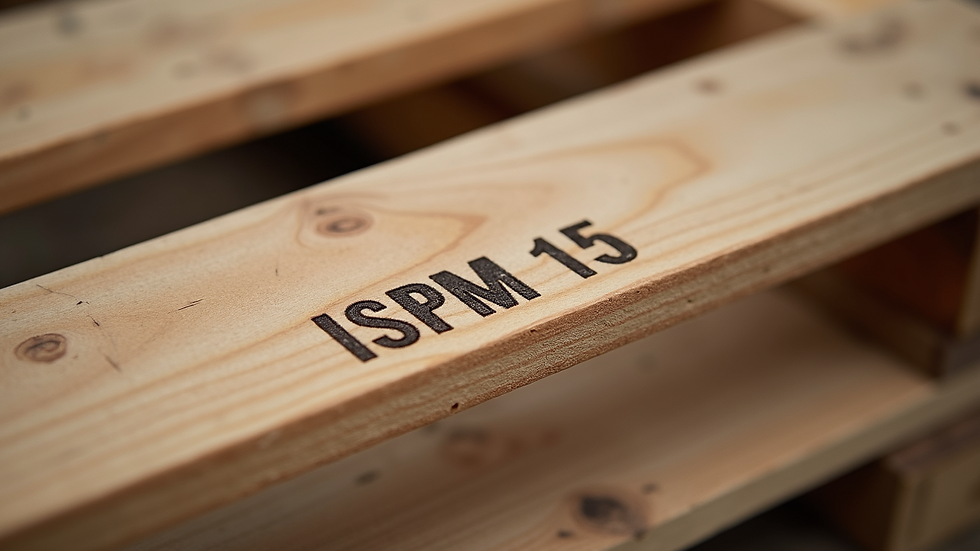
Marking: Treated wood must bear a visible, permanent mark showing compliance. This mark includes the IPPC symbol, country code, producer code, and treatment type (HT or MB).
Debarking: Wood must be debarked to remove bark and reduce pest habitats. Small pieces of bark are allowed under specific size limits.
Inspection and Certification: Packaging must be inspected and certified by authorized agencies to ensure compliance.
Following these elements ensures that wooden packaging meets international phytosanitary requirements and can be accepted by customs worldwide.
What are the requirements for ISPM 15 shipping?
To ship goods using ISPM-15 compliant packaging, you must meet several requirements:
Use Approved Wood Packaging: Only use wood that has been treated and marked according to ISPM-15. Avoid untreated or uncertified wood.
Proper Treatment: Ensure the wood has undergone heat treatment or fumigation. Heat treatment is preferred due to environmental concerns around methyl bromide.
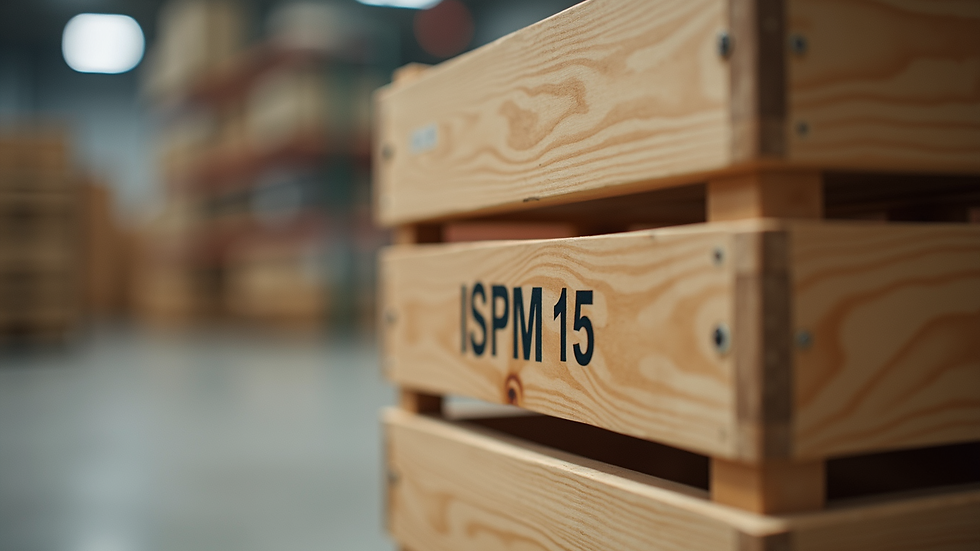
Correct Marking: The ISPM-15 mark must be legible and placed on at least two opposite sides of the packaging.
Documentation: Maintain records of treatment and certification for customs inspection.
Inspection Before Shipping: Check packaging for damage or missing marks before dispatch.
Compliance with Destination Country Rules: Some countries may have additional requirements or restrictions. Verify these before shipping.
For example, if you are exporting machinery packed on wooden pallets, confirm that the pallets are ISPM-15 certified. This avoids customs holds or re-exportation costs.
Why ISPM-15 Compliance Matters for Your Business
Non-compliance with ISPM-15 can have serious consequences:
Customs Delays: Shipments may be held at ports for inspection or treatment.
Fines and Penalties: Authorities can impose fines for using non-compliant packaging.
Destruction of Goods: In some cases, non-compliant packaging must be destroyed, leading to financial loss.
Reputation Damage: Delays and penalties can harm your business reputation with clients and partners.
On the other hand, compliance offers benefits:
Smooth Customs Clearance: Certified packaging speeds up inspections.
Market Access: Many countries require ISPM-15 compliance for imports.
Environmental Responsibility: Using treated wood helps prevent the spread of invasive species.
Customer Confidence: Demonstrates professionalism and adherence to international standards.
For businesses in India and beyond, partnering with reliable suppliers of ISPM-15 certified packaging solutions is crucial. Companies like Shadhna Multipack Solution P.Ltd provide custom-engineered, high-quality wooden packaging that meets these standards and supports timely delivery.
How to Source ISPM-15 Certified Packaging
Finding the right supplier for ISPM-15 packaging is key to compliance and operational efficiency. Here are some practical tips:
Verify Certification: Ensure the supplier is authorized to treat and mark wood packaging under ISPM-15.
Request Documentation: Ask for treatment certificates and compliance records.
Check Marking Quality: Confirm that the ISPM-15 mark is clear and permanent on all packaging.
Consider Custom Solutions: Look for suppliers who can design packaging tailored to your product dimensions and weight.
Evaluate Delivery Times: Timely supply is important to avoid production or shipping delays.
Compare Pricing: Balance cost with quality and certification reliability.
For convenience, you can explore options for ispm-15 packaging online to find certified products that meet your needs without compromising on compliance.
Best Practices for Maintaining ISPM-15 Compliance
Once you have ISPM-15 certified packaging, maintaining compliance requires ongoing attention:
Regular Inspections: Check packaging for damage or wear that could compromise treatment.
Proper Storage: Store wooden packaging in dry, pest-free environments.
Training Staff: Educate your logistics and warehouse teams about ISPM-15 requirements.
Update Records: Keep treatment and certification documents organized and accessible.
Stay Informed: Monitor changes in international regulations or destination country requirements.
By following these practices, you reduce the risk of non-compliance and ensure smooth international shipping operations.
Understanding and implementing ISPM-15 packaging standards is a critical step for exporters, manufacturers, and logistics partners involved in international trade. It protects your shipments, supports global biosecurity, and helps your business operate efficiently across borders. With the right knowledge and trusted partners, you can confidently meet these standards and expand your reach in the global market.


Comments