Innovative Wooden Packaging Solutions for Global Shipping Success

Shipping goods across the globe presents many challenges, especially when it comes to protecting products during transit. Wooden packaging remains a trusted choice for exporters due to its strength, versatility, and sustainability. This post explores how wooden packaging solutions can improve global shipping outcomes, highlighting practical approaches and examples that ensure cargo arrives safely and efficiently.

Why Wooden Packaging Works Well for Global Shipping
Wooden packaging offers several advantages that make it ideal for international shipments:
Durability: Wood withstands rough handling, stacking pressure, and environmental changes better than many materials.
Customizability: Wooden crates and pallets can be tailored to fit unique product shapes and sizes.
Reusability: Many wooden packaging components can be reused multiple times, reducing waste.
Sustainability: Wood is a renewable resource, and many suppliers use responsibly sourced timber.
Compliance: Treated wood meets international shipping regulations, such as ISPM 15, which helps prevent pest spread.
These qualities help exporters reduce damage, lower costs, and meet regulatory requirements.
Types of Wooden Packaging for Export
Exporters can choose from various wooden packaging types depending on their product and shipping needs:
Wooden Crates
Crates provide rigid protection for fragile or heavy items. They come in different designs:
Fully enclosed crates protect against dust, moisture, and impact.
Open crates allow ventilation for products like plants or machinery.
Custom-built crates fit irregularly shaped goods, ensuring a snug fit.
Wooden Pallets
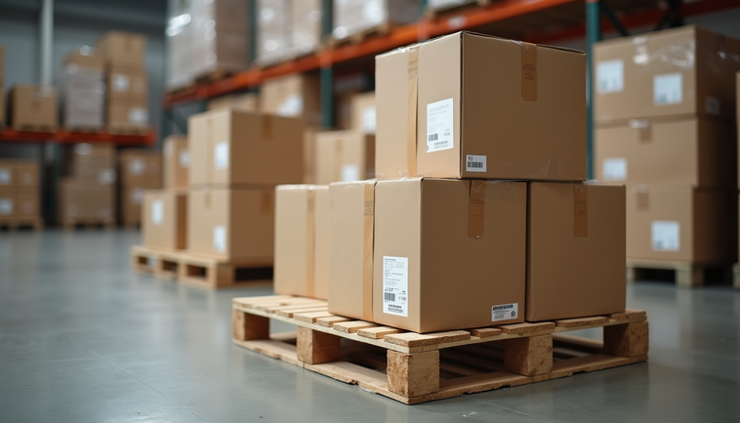
Pallets support goods during transport and storage. They facilitate easy handling with forklifts and reduce product shifting. Export pallets often have reinforced corners or additional bracing for heavy loads.
Wooden Boxes
Boxes are smaller than crates and often used for medium-sized goods. They can be stackable and designed with removable lids for easy access.
Dunnage and Supports
Wooden blocks, braces, and wedges secure cargo inside containers, preventing movement and damage.
Meeting International Shipping Standards
Wooden packaging must comply with international regulations to avoid shipment delays or rejections. The most important standard is ISPM 15, which requires wood packaging material to be heat-treated or fumigated to eliminate pests.
Exporters should:
Use certified wood packaging suppliers.
Ensure all wooden materials carry the ISPM 15 mark.
Keep documentation ready for customs inspections.
Following these rules protects ecosystems and ensures smooth customs clearance.
Practical Tips for Effective Wooden Packaging
To maximize the benefits of wooden packaging, exporters should consider the following:
Design for the product: Analyze the product’s weight, fragility, and shape to choose the right packaging type.
Use cushioning materials: Add foam, bubble wrap, or paper inside crates to absorb shocks.
Seal and protect: Apply waterproof coatings or plastic wraps to guard against moisture.
Label clearly: Mark packages with handling instructions, destination, and contents.
Plan for stacking: Build crates and pallets to withstand the weight of stacked shipments.
Case Study: Exporting Electronics with Wooden Crates
A company shipping delicate electronics to Europe faced frequent damage during transit. They switched to custom wooden crates with foam inserts and reinforced corners. The crates were heat-treated and marked according to ISPM 15.
Results included:
70% reduction in product damage claims.
Faster customs clearance.
Improved customer satisfaction.
This example shows how tailored wooden packaging can protect high-value goods.
Environmental Considerations
Wooden packaging is often more eco-friendly than plastic alternatives. Using sustainably sourced wood and recycling packaging materials reduces environmental impact. Exporters can:
Choose suppliers with forest certification.
Reuse pallets and crates multiple times.
Recycle wood waste after use.
This approach supports greener supply chains and appeals to environmentally conscious customers.
Final Thoughts on Wooden Packaging for Global Shipping
Wooden packaging remains a reliable and adaptable solution for exporters aiming to protect their goods worldwide. By selecting the right type of packaging, complying with international standards, and applying practical design tips, businesses can reduce damage, avoid delays, and improve customer trust.


Comments